Hey Deacon!
Why Popes Write Encyclicals: A Living Tradition of Teaching, Guidance, and Unity
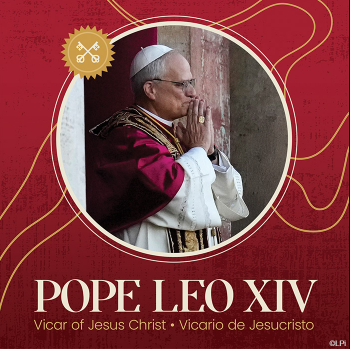
Pope Leo XIV’s inaugural encyclical, Magnifica Humanitas (Magnificent Humanity), was released on May 25, 2026. It addresses the ethical and social implications of artificial intelligence and the protection of human dignity in the digital age. I will offer a summary of that document in a future Hey Deacon column. For now, it’s worth asking a more basic question: What exactly is an encyclical, and why does the pope write them?
Encyclicals are formal letters written by the Pope to the bishops and, through them, to the entire People of God. They are not the Pope's personal opinion nor a solemn dogmatic definition, They are among the most authoritative forms of papal teaching and often shape Catholic life for generations.
The roots of the encyclical reach back to the New Testament. St. Paul’s letters to early Christian communities were, in a sense, the first encyclicals: authoritative messages meant to strengthen faith, correct errors, and apply the Gospel to real-life challenges. In the early Church, popes also wrote letters to bishops to clarify doctrine or address heresies. These papal letters weren’t yet called encyclicals, but they served the same purpose, preserving unity and safeguarding apostolic teaching.
The modern encyclical began to take shape in the 18th century, especially under Pope Benedict XIV, who used such letters regularly to teach on matters of faith, morals, and pastoral practice. But the 19th century truly established the encyclical as a central tool of papal teaching. Pope Leo XIII issued 85 encyclicals, including the landmark Rerum Novarum (1891), which addressed the rights of workers and the responsibilities of employers. It became the foundation of modern Catholic social teaching and showed how encyclicals can speak powerfully to the needs of the world.
One of the most beautiful things about encyclicals is how they demonstrate that Catholic truth is not frozen in the past. Each encyclical takes the unchanging deposit of faith, Scripture and Sacred Tradition, and applies it with clarity to the challenges of the present moment. The truth does not change. The world does. The Pope's task is to make sure the Church speaks that truth faithfully into every age.
Some of the most significant encyclicals in history include Pacem in Terres (John XXIII) which addressed peace, human rights and the moral foundations of political life during the Cold War, Humanae Vitae (Paul VI, 1968), which reaffirmed the Church's teaching on marriage and contraception; Fides et Ratio (John Paul II, 1998), which explored the beautiful harmony between faith and human reason, and Deus Caritas (Benedict XVI, 2005), which reflected on the nature of Christian love and the Church mission of charity.
Encyclicals strengthen unity. By writing to bishops across the globe, the Pope ensures that the Church teaches with one heart and one mind. These documents become reference points for preaching, catechesis, and pastoral ministry.
An encyclical is, at its heart, a father writing to his family. It is the Pope exercising his office as universal shepherd by teaching, warning, encouraging, and guiding the whole Church through the challenges of a particular moment in history.